country· 15 min read· Explore Africa editorial · Published June 2026 · Updated 30 Oct 2026
Mozambique: Indian Ocean islands, dhows & coral
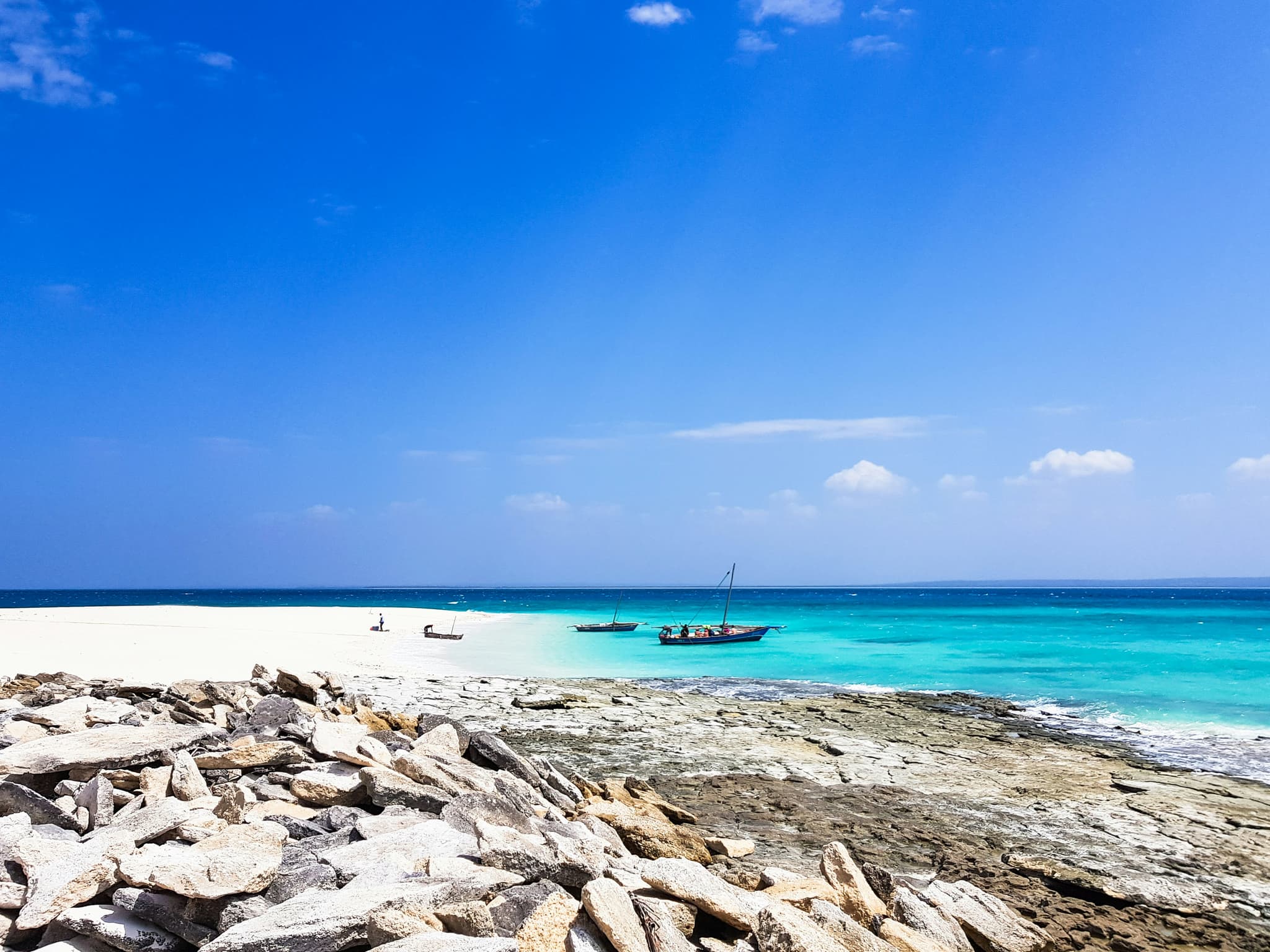
Mozambique is the Indian Ocean dream — palm-fringed beaches, dhow safaris and world-class diving with whale sharks and mantas across the Bazaruto and Quirimbas archipelagos. Here's the practical detail: visas, money, malaria, safety and when to go.
Mozambique is Africa's great Indian Ocean escape — a 2,500-kilometre coastline of powder-white beaches, warm turquoise water, swaying palms and some of the finest diving and snorkelling on earth. This is a beach-and-ocean destination rather than a Big Five safari: think barefoot island lodges in the Bazaruto and Quirimbas archipelagos, dhow sailing at sunset, fresh prawns and Portuguese-influenced food, and the chance to swim with whale sharks and manta rays off Tofo and Inhambane. It rewards travellers who plan well. Portuguese is the language, much of the country runs on cash, malaria is a year-round risk, and the security situation varies sharply by region — the far north has a serious 'do not travel' advisory. This guide covers the practical things — visas, money, health, safety and when to go — so you can focus on the water.
At a glance
- Capital
- Maputo
- Currency
- Mozambican Metical (MZN / MT)
- Language
- Portuguese · English limited outside resorts
- Time zone
- CAT (UTC+2) · ~8 hrs behind Sydney
- Dialling code
- +258
- Electricity
- 230V / 50Hz · plugs Type C, F & M
- Visa (Australians)
- e-visa required — apply online before you fly
- Malaria
- High risk, year-round, countrywide
Mozambique month by month
🌡 Hot & humid · 26–32°C
💧 Heavy tropical rain
Hot, steamy and the wettest time of year, within the cyclone season. Whale sharks and mantas are around, but expect rain, humidity and the chance of storms.
🌡 Hot & humid · 26–32°C
💧 Heavy rain · peak cyclone risk
The peak of the rainy and cyclone season, especially in the centre and north. Lush and quiet, but the highest weather risk of the year.
🌡 Hot · 26–31°C
💧 Rain easing
Still warm and humid with rain tapering off, particularly later in the month. Cyclone risk lingers.
🌡 Warm · 24–30°C
💧 Showers fading
A pleasant transition month — humidity drops, the rains fade and the seas begin to clear. The cyclone season is winding down.
🌡 Warm & dry · 22–29°C
💧 Dry
The start of the prime dry season — warm sunny days, low humidity, clear water and calm seas. An excellent month.
🌡 Mild & dry · 18–27°C
💧 Dry
Cooler, dry and comfortable. Sunny days, pleasant evenings and good underwater visibility.
🌡 Mild & dry · 17–26°C
💧 Dry
👥 AUS school holidays
The coolest, driest month — sunny and clear, ideal for beach days and diving. Popular with Australian families on winter holidays.
🌡 Mild & dry · 18–27°C
💧 Dry
Dry, sunny and reliable, with warming days. Great conditions for the islands and reefs.
🌡 Warming · 20–28°C
💧 Dry
Warm, dry and gorgeous. Whale sharks become more reliable off Tofo and the southern coast.
🌡 Warm · 22–30°C
💧 Mostly dry
Arguably the sweet spot — warm water, plankton blooms drawing whale sharks and mantas, and the rains not yet arrived. Superb diving.
🌡 Hot · 24–31°C
💧 First rains build
Hot and humid as the first rains arrive and the cyclone season opens. Quieter and green, with marine life still active.
🌡 Hot & humid · 25–32°C
💧 Tropical rain
👥 Festive peak
Hot, humid and increasingly wet, within the cyclone season. Festive-season crowds and higher prices, especially among South African holidaymakers.
Top experiences
Bazaruto Archipelago
Island lodges & diving
A protected chain of islands off Vilankulo with towering dunes, sandbanks and reefs — barefoot-luxury lodges, snorkelling, dhow trips and the chance to see dugongs and mantas.
Whale sharks & manta rays
Tofo & Inhambane
One of the world's great spots to swim with whale sharks and reef mantas, with year-round sightings peaking roughly September–March. World-renowned diving and ocean-safari snorkelling.
Dhow safaris & sunset sailing
Coastal classic
Sail a traditional wooden dhow between islands and sandbanks — snorkelling stops, fresh seafood and a sundowner on the water. The signature Mozambican experience.
Diving & snorkelling
Warm Indian Ocean
Coral reefs, walls and wrecks in warm, clear water — from gentle house reefs for snorkellers to advanced sites for experienced divers. Sea temperatures stay warm all year.
Quirimbas Archipelago
Remote far north
Wild, remote islands fringed with mangroves and reefs, plus the Swahili-Portuguese heritage of Ibo Island. Note: it sits near Cabo Delgado — check the current security advisory and access carefully before planning (see Staying safe).
Maputo
Capital & culture
A characterful capital of faded Portuguese architecture, lively markets, a buzzing music and food scene, and some of the best seafood in Africa.
Gorongosa National Park
Conservation comeback
Central Mozambique's celebrated wildlife-recovery story — restored savannah, plains game, predators and prolific birdlife. A rewarding land-based add-on to a beach trip.
Beaches & beach lodges
Endless coastline
From Ponta do Ouro in the south to the Inhambane coast (Tofo, Barra, Vilankulo) — long empty beaches, warm water and relaxed, salty-haired lodge life.
Getting around
Most Australians fly via Johannesburg (or sometimes Nairobi or Addis Ababa) into Maputo (MPM), with onward connections to coastal gateways.
- Domestic flights link Maputo with Vilankulo (for Bazaruto), Inhambane (for Tofo) and Pemba (for the far north) — LAM (Mozambique Airlines) and regional carriers fly the main routes, though schedules can change, so build in buffer time around international connections.
- Light-aircraft & boat transfers serve the island lodges — most Bazaruto and Quirimbas lodges arrange a flight plus a boat or helicopter transfer. Soft-sided bags and strict weight limits apply; check with your lodge before you pack.
- Self-drive is possible in the south (many South Africans drive in via the border), but roads vary, fuel and ATMs are sparse, and night driving is best avoided. Most beach-and-island trips don't need a car.
- In towns, use lodge transfers or arranged drivers rather than hailing vehicles on the street.
Driving is on the left.
Money & payments
The currency is the Mozambican Metical (MZN, written MT).
- Mozambique runs largely on cash. Outside Maputo and a handful of resorts, you'll need physical money for most things — bring enough and plan ahead.
- Cards (Visa and Mastercard) are accepted at upmarket hotels, lodges and some restaurants in Maputo and tourist areas, but don't count on them at beach destinations.
- ATMs are found in cities and larger towns and generally accept Visa and Mastercard, but they can be scarce, unreliable or out of cash near the coast — withdraw before you head to remote areas.
- Foreign currency: US dollars are useful in central and northern areas; South African rand is widely accepted in the south near the border. You'll usually get better value paying in metical, so change some on arrival.
- Tell your bank you'll be travelling, and carry some cash in small denominations for tips, markets and park or marine-reserve fees.
- Local Currency Export Restriction Note it is illegal to import or export Mozambican Meticais (MZN) in commercial quantities. Travellers should exchange or spend remaining meticais before departing Mozambique. Smartraveller guidelines and Bank of Mozambique rules, travellers carrying more than 10,000 Meticais (approx. USD 155) in or out of the country must declare it to customs; moving large or un-declared amounts of local physical currency is illegal, and the central bank actively restricts physical cash movements to prevent illicit capital outflow.
Health before you go
See your GP or a travel clinic about 6–8 weeks before you leave — Mozambique needs more health preparation than many beach destinations.
- Malaria — present across the whole country, year-round, and resistant to chloroquine. Antimalarial medication is recommended for all travellers; discuss the right tablets with your doctor and prevent bites with repellent, long sleeves at dusk and a treated net where provided.
- Yellow fever — there's no yellow fever in Mozambique, but you must show a vaccination certificate if you're arriving from (or have transited for more than 12 hours through) a country with yellow-fever risk — relevant on multi-country African trips.
- Routine & recommended vaccines — make sure routine vaccinations are up to date; many travellers also add hepatitis A and typhoid, and your doctor may suggest others. Ask for personalised advice.
- Food & water — drink bottled or filtered water, and be cautious with ice and uncooked food outside good lodges.
Insurance: medical facilities are limited, especially outside Maputo, so comprehensive travel insurance that covers diving (if you'll dive) and medical evacuation is essential.
Staying safe
Security in Mozambique varies sharply by region, so where you go matters as much as how you behave.
- Do not travel to Cabo Delgado province and the Erati and Memba districts of Nampula province in the far north. The Australian Government advises against all travel there due to the extreme threat of terrorism, kidnapping and armed clashes. Attacks on towns and villages are common, and foreigners can be targets. Some northern islands sit near these areas, so check current advice carefully before planning anything in the far north.
- Elsewhere, Smartraveller advises exercise a high degree of caution overall. There is a kidnapping risk across the country, including in Maputo and Beira.
- In towns — keep valuables out of sight, don't walk alone after dark, use lodge transfers or trusted drivers at night, and be discreet with cash and phones.
- On the water and roads — use reputable, well-equipped dive and boat operators, and avoid driving at night.
- Mandatory ID Law & Police Checkpoints By law, foreigners must carry physical photo identification at all times (a notarised/certified passport copy or original passport). Police checkpoints (brigadas) are frequent; failing to produce ID can lead to on-the-spot fines.
Always read the full, current Smartraveller advisory before you book, and keep your lodge's number and the consular contacts below to hand.
Language, people & customs
The official language is Portuguese, and outside resorts, dive centres and upmarket hotels English is limited — a few Portuguese phrases go a long way and are warmly received. Try olá (hello), bom dia (good morning), por favor (please), obrigado/obrigada (thank you, said by a man/woman) and quanto custa? (how much?).
Mozambicans are friendly and easygoing, and the coast has a relaxed, unhurried rhythm. Dress is casual — swimwear and shorts at the beach, but cover up a little in towns, markets and away from resorts, and dress modestly at religious sites (Islam is widely practised, especially in the north). Always ask before photographing people, and avoid photographing government buildings, ports, military or police. A friendly greeting before getting down to business is the norm.
Staying connected
- Mobile coverage is decent in cities and main towns but patchy or absent on remote islands and stretches of coast — part of the appeal is being off-grid.
- Wi-Fi is available at many lodges and hotels, though it can be slow, limited to common areas, or unavailable on the most remote islands.
- SIMs & eSIMs — local prepaid SIMs (Vodacom, Movitel, Tmcel) are cheap; bring your passport to register one. A travel eSIM bought before you leave is the simplest option for staying reachable.
- Power can be intermittent outside the cities; many island and beach lodges run on generators or solar, sometimes only at set hours, so charge devices and a power bank when you can.
Starter packing list
Beach & dive
- Reef-safe sunscreen: high SPF — protects you and the coral
- Swimwear, rash vest & beach cover-up
- Own mask & snorkel (and fins): for the perfect fit on dhow trips and house reefs
- Dive certification & logbook: if you'll scuba dive
- Wide-brim hat, sunglasses & lightweight long sleeves
- Reef shoes or sandals
- Dry bag: for boat and dhow trips
Health & insects
- Antimalarial tablets & personal medication
- Strong insect repellent: DEET-based for dusk and evenings
- Small first-aid kit & rehydration salts
- After-sun and anti-itch cream
Documents & money
- Passport: valid 6+ months, 2 blank pages
- Printed e-visa approval: plus a copy of your application
- Travel insurance details: must cover medical evacuation (and diving)
- Yellow-fever certificate: only if arriving via a risk country
- Cash: metical, plus some USD or rand — Mozambique is cash-based
Practical
- Universal travel adapter
- Power bank: power can be intermittent on islands
- Head torch: useful in remote lodges
- Phone with offline maps & a few Portuguese phrases
Emergency & embassy contacts
Australian High Commission, Pretoria
+27 12 423 6000
Australia's consular help for Mozambique comes from the High Commission in Pretoria, South Africa (non-resident accreditation). 292 Orient Street, Arcadia, Pretoria.
Australian Consulate (Honorary), Maputo
+258 84 693 3226
Honorary Consul in Maputo providing initial consular support; complex matters are handled by the High Commission in Pretoria. Email: australianconsulmoz@gmail.com
Consular emergencies (after hours)
+61 2 6261 3305
DFAT's 24-hour Consular Emergency Centre in Canberra, for Australians needing urgent help overseas.
Local emergencies
Police 119 (or general 112 · Ambulance 198 (or 117) · Fire 198/117
Local emergency numbers can be unreliable and may not be answered in English — always save your lodge's and dive operator's direct numbers too.
Note that calling 112 connects to general emergency services.
Frequently asked
Do Australians need a visa for Mozambique?
Yes. Australian passport holders need a visa — the recommended route is the online e-visa, applied for in advance at the official portal (evisa.gov.mz). Don't rely on visa on arrival. Apply at least one to two weeks before you travel, make sure your passport has six months' validity and two blank pages, and confirm the current cost and rules on the official portal and Smartraveller before you book. Note that under Mozambican border regulations (similar to South Africa), adults travelling with children under 18 must present an unabridged birth certificate and, if travelling with only one parent/guardian, a certified parental consent affidavit.
Do I need malaria tablets?
Yes — malaria is present across all of Mozambique, year-round, so antimalarial medication is recommended for all travellers. See your GP or a travel clinic 6–8 weeks before you leave to choose the right tablets, and take bite prevention seriously.
Is Mozambique safe?
It depends on where you go. The Australian Government says do not travel to Cabo Delgado province and parts of Nampula province in the far north due to terrorism and kidnapping. Elsewhere, exercise a high degree of caution, as there's a kidnapping risk countrywide. The main beach and island destinations are visited safely with sensible precautions — always check the current Smartraveller advisory first.
When is the best time to go?
The dry season, roughly May to October, has the most reliable weather — warm sunny days, calm seas and clear water. October is a sweet spot for diving as plankton draws whale sharks and mantas. The wet, hot season (November–April) coincides with the cyclone risk. Sea temperatures stay warm all year.
What currency should I use, and can I rely on cards?
The currency is the Mozambican metical. Mozambique runs largely on cash, especially at the coast — cards work at upmarket hotels and in Maputo but not everywhere, and ATMs can be scarce or out of cash near the beaches. Carry enough cash; US dollars help in the north and South African rand in the south.
Is there a yellow-fever requirement?
There's no yellow fever in Mozambique itself, so it's not required for most Australian travellers. However, you must show a vaccination certificate if you're arriving from, or have transited more than 12 hours through, a country with yellow-fever risk — relevant on multi-country African trips. Confirm with your doctor.
Is Mozambique a safari destination?
Not primarily — it's a beach, island and diving destination. The highlights are warm-water snorkelling and diving, dhow safaris and barefoot island lodges. For land-based wildlife, Gorongosa National Park is a rewarding add-on, and many travellers pair Mozambique's coast with a Big Five safari in neighbouring South Africa.
Sources & last verified
Last verified: 29 June 2026. This guide is researched from official and authoritative sources and reviewed by Explore Africa. Visa, health and safety rules can change — always confirm the current advice before you travel.
Key sources:
- Smartraveller (Australian Government): smartraveller.gov.au/destinations/africa/mozambique
- Australian Consulate, Maputo / DFAT: dfat.gov.au/geo/mozambique
- Australian High Commission, Pretoria: southafrica.embassy.gov.au
- Mozambique e-visa portal (Government of Mozambique): evisa.gov.mz
- US CDC Travelers' Health (Yellow Book): wwwnc.cdc.gov/travel
- UK NaTHNaC TravelHealthPro: travelhealthpro.org.uk/country/155/mozambique