audience· 6 min read· Explore Africa editorial · Published June 2026 · Updated 4 Nov 2026
Safaris for photographers
Plan a photography safari around the subject, season and permitted viewing position. Compare destinations, check vehicle arrangements and prepare camera equipment for flights.
This guide covers destination selection, seasonal subjects, viewing access and camera transport for Australian travellers planning a wildlife photography safari. The examples focus on South Africa, Botswana and the Serengeti in Tanzania. Park rules and battery requirements are identified separately from suggested booking questions: a photographic brief is not permission to leave a vehicle or approach wildlife.
Choose the subject before the itinerary
| Subject | Evidence-backed destination option | Planning question |
|---|---|---|
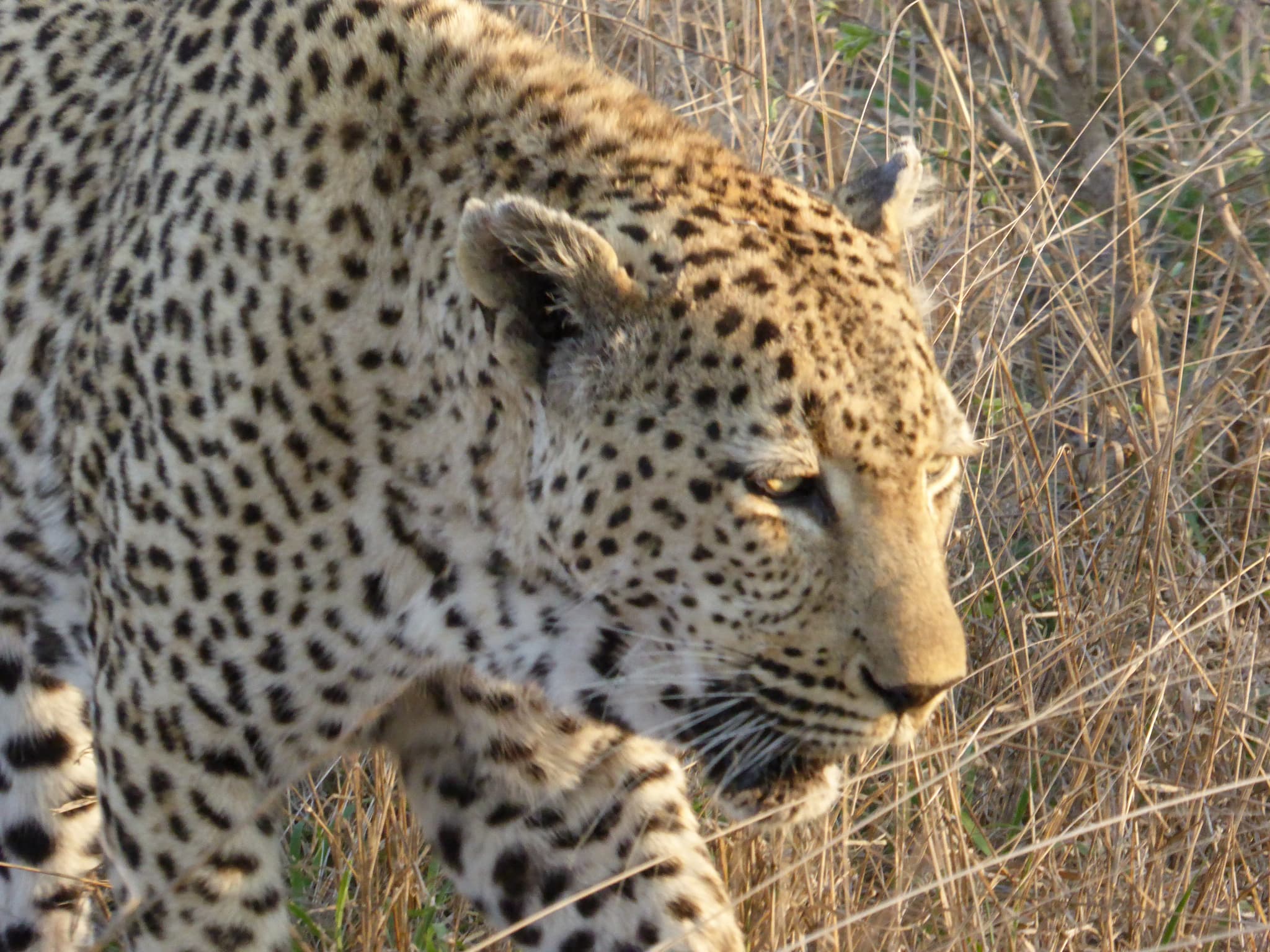
| Leopards | Panthera reports frequent sightings in its Sabi Sands research area and describes leopards that are comfortable around vehicles because of protection and sensitive viewing practices. Panthera | Which reserve and traversing area does the proposed drive actually cover? Do not treat frequent sightings as a personal guarantee. |
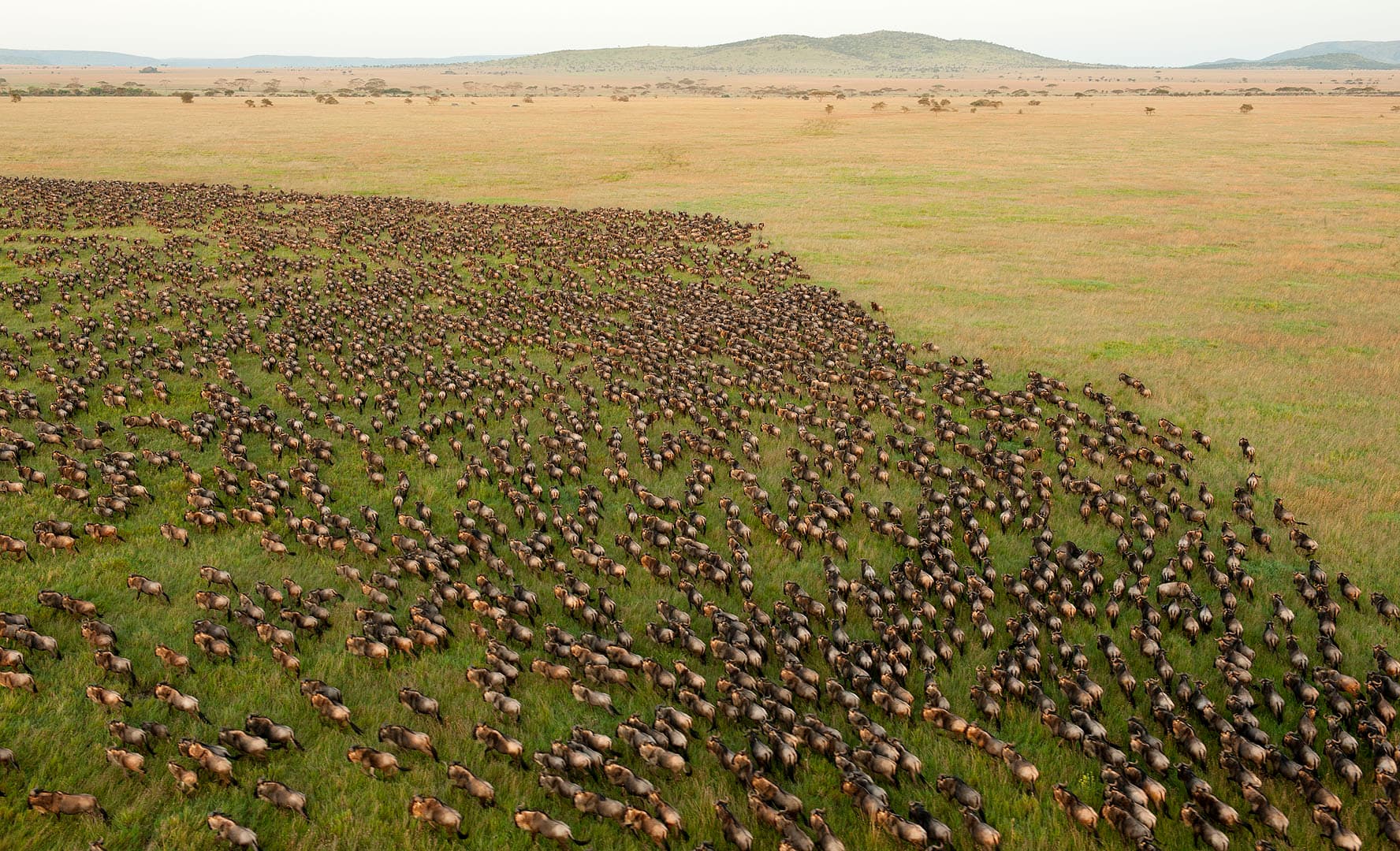
| Wildebeest calves | TANAPA identifies January to March for calving on the southern Serengeti plains. TANAPA Tourism Splash, pages 16 to 17 | Is the camp in the southern area for the travel dates, and which park or conservation area will the drives enter? |
| Wetland landscapes and African wild dogs | UNESCO identifies permanent marshes, seasonally flooded plains and African wild dogs in Botswana's Okavango Delta. This establishes habitat and species presence, not sighting odds. UNESCO | Which land-based drives are included, and which activities depend on local water levels? |
| Waterbirds and varied habitats | Botswana Tourism describes Moremi's waterways, lagoons, grasslands and forests, with more than 400 bird species, many migratory. Botswana Tourism | Which habitats and viewing locations are accessible from the chosen base? |
Use a local seasonal calendar
Do not apply one November to April 'green season' to every destination. Use the park and subject together.
| Location | Published seasonal pattern | Photography planning implication |
|---|---|---|
| Kruger National Park | SANParks describes rainy summers from October to around March. Increased foliage makes animals harder to see. Its dry-season guide covers April to September, with sparse vegetation, water restricted to rivers and waterholes, warm days and cold nights. | Choose between greener surroundings and the visibility advantages of sparse vegetation; pack warm clothing for night drives. SANParks climate |
| Southern Serengeti | TANAPA's January to March 2026 magazine describes January to March as the calving period on the southern plains. | Use this as a seasonal planning window, not a promise of a birth on a particular day. TANAPA, pages 16 to 17 |
| Okavango Delta | The annual river flood occurs during the dry season. | Do not equate local rainfall with the availability of a boat or canoe activity; check the specific camp's conditions for the visit. UNESCO |
Specify the vehicle and photographic brief
Questions to resolve before booking
- Private or shared vehicle: Request the number of passengers, seating plan and exclusive-use cost. Specify whether every photographer needs access to both sides rather than assuming a window seat is sufficient.
- Working space and camera support: Request photographs of the actual vehicle or boat. Confirm space for the packed kit, permitted supports and compatibility with any supplied lens mount.
- Timing and stopping: Ask which departure times and drive durations are available, whether extended stops are possible and what gate, route or sighting restrictions apply.
- Low viewing angles: Ask about an authorised hide or other permitted viewing position. Do not plan to obtain a lower angle by getting out beside wildlife.
- Instruction versus wildlife guiding: Specify whether technical camera tuition, editing sessions or wildlife guiding alone is required. Ask what is included rather than relying on the phrase 'photographic safari'.
Kruger: compose within the visitor rules
As at November 2026, SANParks' Kruger visitor rules require visitors to remain in vehicles except in designated areas. No part of the body may protrude from a window, sunroof or other part of the vehicle, and doors must stay closed.
Off-road driving and roads marked 'no entry' are prohibited. Feeding or disturbing animals is an offence. For ordinary visitor driving, be inside camp or outside the gate by the time on the entry permit; do not extend a self-drive for sunset beyond that limit.
Check the current SANParks rules and permit before travel. These are Kruger visitor rules, not a statement of access rights in neighbouring private reserves. A private vehicle booking should never be treated as an exemption.
Serengeti: photograph crossings from designated positions
As at November 2026, TANAPA's published Mara River Migration Crossings Guideline, dated 2024, directs vehicles to designated, signed viewing areas. Remain stationary when animals gather to cross and during the crossing; do not approach the animals or block their passage.
Crossing points have their own signed riverbank distances and vehicle limits. Excess vehicles must remain stationary on the designated road or parking area. Visitors must remain in their vehicles except in an emergency. Picnics and setting up tables on the riverbanks are prohibited.
Check TANAPA's current guidance, the entry permit and local signs before travel and on arrival. These instructions apply to the Serengeti National Park side, not automatically to Kenya's Maasai Mara.
Prepare the equipment and transport plan
Confirm for every flight and transfer
- Weigh the complete kit: Include the packed camera bag, lenses, batteries, chargers, computer and supports. Check each carrier's current total and cabin allowances, dimensions and bag-shape requirements before travel. This guide does not prescribe a regional kilogram allowance.
- Resolve excess baggage before booking: Request confirmation of acceptance, price and carriage conditions for the actual route and fare. Do not assume paying an excess fee guarantees that the kit travels on the same flight.
- Prepare for a bag being placed in the hold: Keep spare lithium batteries separable from the main bag so they remain in carry-on baggage. Follow the CASA guidance below and the operating airline's instructions.
Suggested equipment checks
- Test the camera workflow: Practise changing exposure, focus mode and memory cards with the equipment intended for the trip. Check that chargers and any borrowed supports fit.
- Ask about charging and storage: Confirm sockets, power availability and a secure place for equipment at each camp. Pack appropriate protective covers and a cleaning kit.
- Plan image copies: Choose and test a backup method before departure. Avoid making the only copy dependent on an unconfirmed internet connection.
Spare camera batteries and power banks
As at November 2026, Australia's CASA Pack Right guidance gives the following rules for spare rechargeable lithium-ion batteries. Check the battery's watt-hour marking and confirm acceptance with every operating airline before travel.
| Item | CASA guidance |
|---|---|
| Spare lithium-ion battery, 100 Wh or less | Carry-on only. Protect each battery against short circuits, for example with original packaging, insulated terminals or an individual protective pouch. Airlines may impose tighter quantity limits. |
| Spare lithium-ion battery, more than 100 Wh and no more than 160 Wh | Airline approval required; carry-on only; no more than two spare batteries. Individually protect against short circuits. |
| Power bank, no more than 100 Wh | Carry-on only; individually protect against short circuits. No more than two power banks per person under CASA's listed guidance, with potentially tighter airline limits. |
These are spare-battery provisions, not a separate weight allowance for camera equipment. Do not apply this table to larger batteries or other battery chemistries.
Sources
Last verified: 4 November 2026. Recheck park rules and airline requirements before travel.
- Panthera: Sabi Sands Leopard Project
- TANAPA Tourism Splash, January to March 2026, pages 16 to 17
- UNESCO: Okavango Delta
- Botswana Tourism Organisation: Moremi Game Reserve
- SANParks: Kruger climate
- SANParks: Kruger vital information and visitor rules
- TANAPA: Mara River Migration Crossings Guideline, dated 2024
- CASA: Pack Right spare-battery guidance