practicalities· 10 min read· Explore Africa editorial · Published November 2026 · Updated 4 Nov 2026
Travelling responsibly and giving back
Practical checks for wildlife activities, community spending, donations and volunteering in southern and East Africa, with country-specific plastics guidance and Australian wildlife-souvenir requirements.
This guide covers choosing wildlife activities, supporting local businesses, checking donations and volunteer placements, and reducing waste during travel in southern and East Africa. It separates general recommendations from named authorities' rules, using South African parks, Kenya and Rwanda as specific examples. It also covers wildlife souvenirs brought home to Australia.
At a glance
- Wildlife activities
- Choose observation, not handling or rides; see the evidence and welfare guidance below.
- Children
- Avoid visits that present children as tourist attractions; support community projects instead.
- Volunteering
- Check skills, safeguarding, registration and permission to work before committing.
- Donations
- Check the recipient and its reporting; Australian charity registration is separate from tax deductibility.
- Plastic restrictions
- Check each country separately, including exemptions and packaging rules.
- Souvenirs
- Check Australian wildlife import requirements before buying plant or animal products.
Choosing wildlife activities
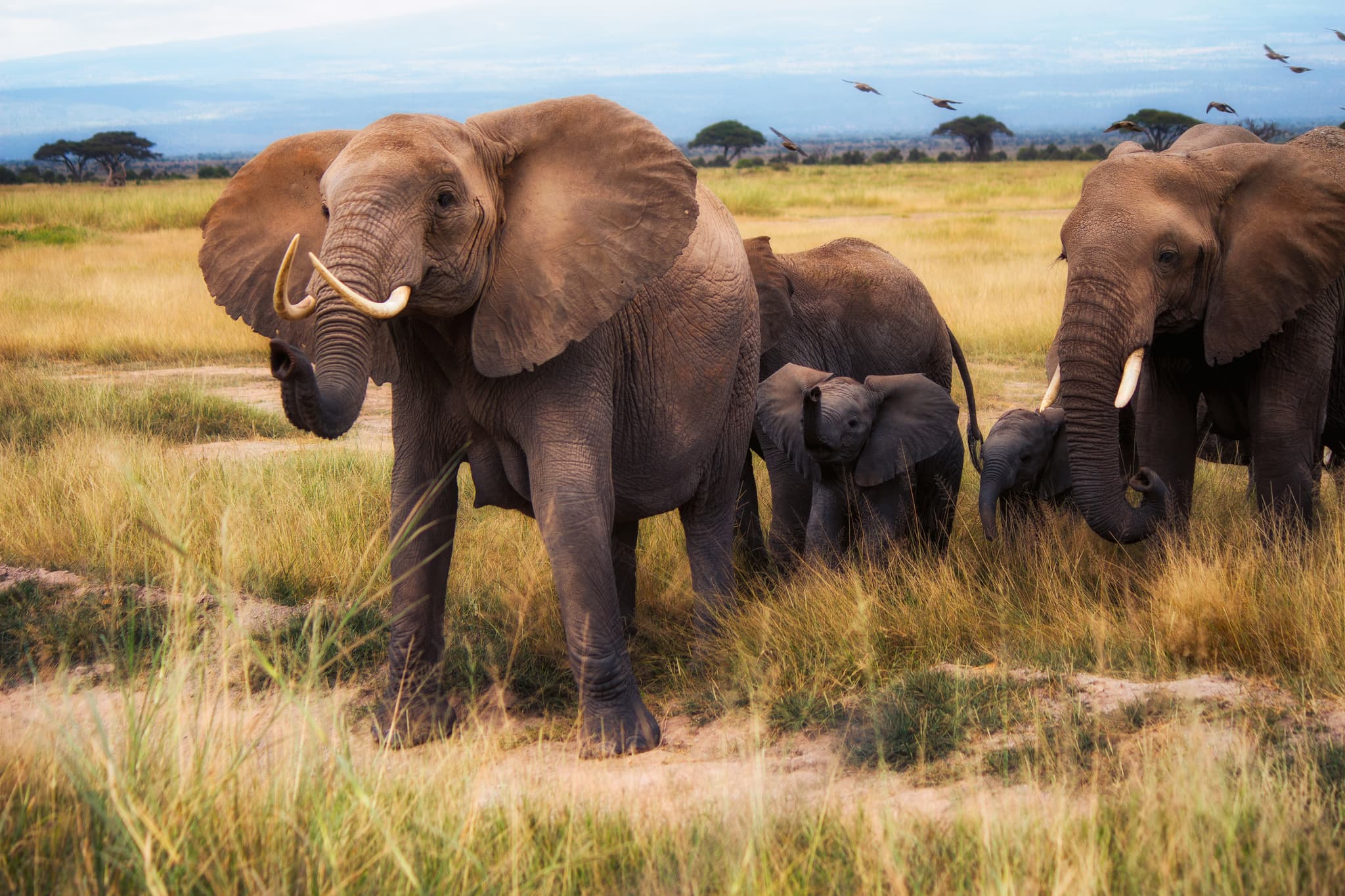
Prefer activities that observe animals without tourist handling, riding or staged close-contact photographs. World Animal Protection, an animal-welfare organisation rather than a regulator, recommends viewing wildlife in its natural habitat and warns about attractions offering rides, cuddling and selfies.
There is specific evidence against lion cub-petting tourism. A 2022 peer-reviewed study analysed 49 public videos from at least 11 South African facilities, uploaded between 2008 and 2019. It found stress-related behaviour and poor husbandry, including forced interactions outside normal waking hours. This is evidence about the studied activities, not an inspection of every facility operating today.
Use the following as booking checks, not as an accreditation scheme:
- Exclude cub petting, bottle-feeding for visitors, elephant rides and other activities sold around direct contact with wild animals.
- For a proposed sanctuary visit, request its animal-welfare policy and an explanation of the animals' origins, care and long-term management.
- Ask whether tourists touch, feed, restrain or pose with animals. Do not treat the word 'sanctuary' as evidence that the activity meets a welfare standard.
These checks apply the welfare guidance and the study's findings; they do not imply that every captive animal can be released.
Park conduct: a South African example
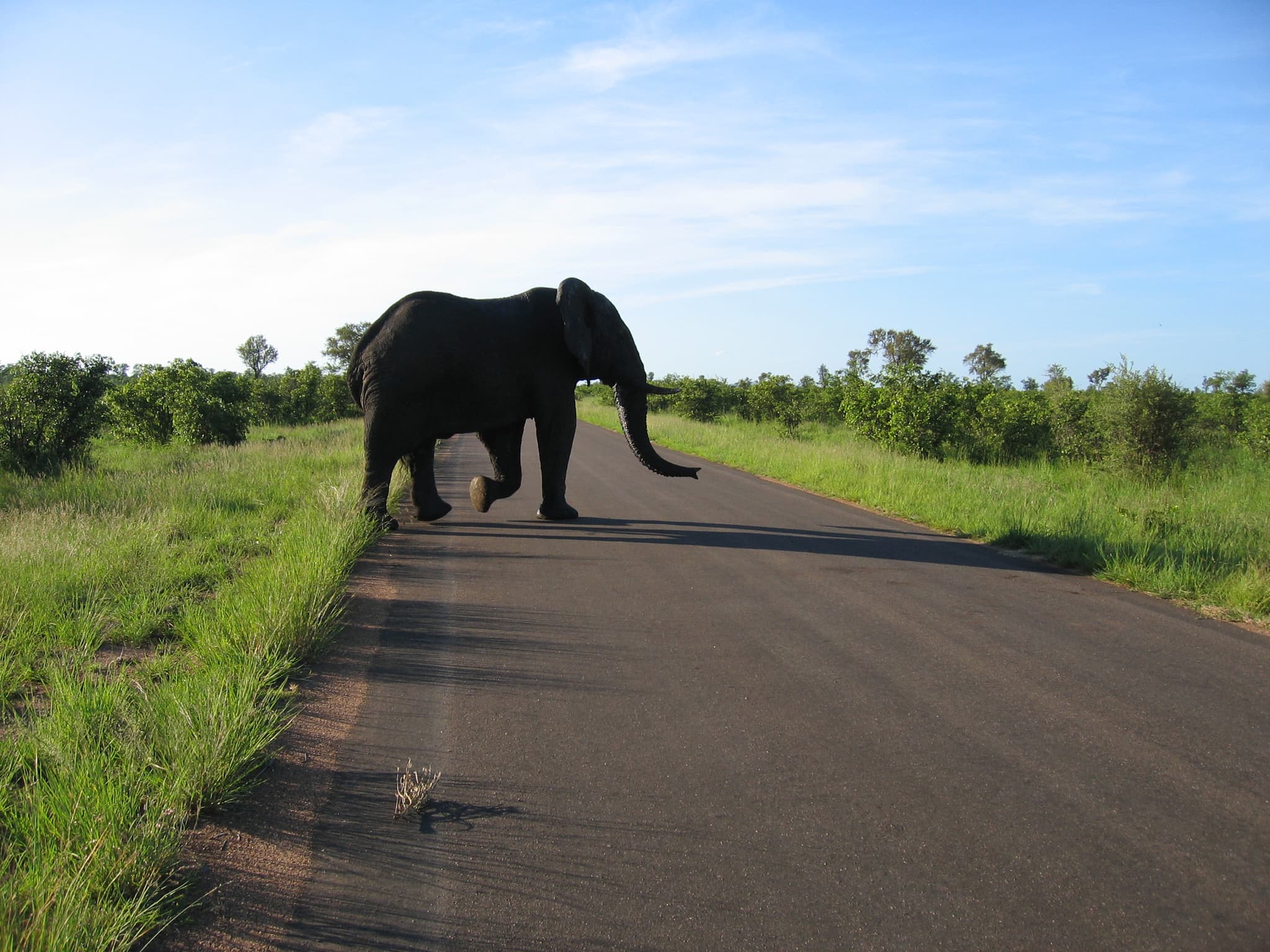
As at November 2026, SANParks' published visitor rules prohibit feeding or intentionally disturbing wildlife, littering, and using drones inside or over its national parks. Natural and cultural items must not be removed without permission. These are SANParks rules, not a single legal code for every African reserve.
For visitors driving in Kruger National Park, the park's instructions include:
| Item | Published requirement |
| --- | --- |
| Speed | Maximum 50 km/h on tar roads and 40 km/h on gravel roads |
| Vehicle exits | Remain inside except in designated areas; do not lean out through windows or sunroofs |
| Roads | No off-road driving or entry to roads marked 'no entry' |
| Timing | Observe the gate and camp times on the entry permit |
Check the relevant park authority's current rules before travel and follow the briefing for any guided activity. Do not transfer Kruger's driving rules to private reserves or other countries.
Assess a volunteer placement before booking
Smartraveller recommends arranging a placement before leaving Australia and matching existing skills to the community's needs. A short placement without relevant skills may not be useful.
Check:
- Registration in the destination country and compliance with local environmental or child-protection requirements.
- A defined role suited to your qualifications and experience.
- If working with children, a child-protection policy, code of conduct, supervised visitors, background checks and child-protection screening. Smartraveller advises volunteering with children only through an ACNC-registered organisation.
- Insurance cover for the proposed work, including any specific cover the organisation requires.
As at November 2026, Smartraveller warns that tourist visas can restrict unpaid as well as paid work. Do not assume that an unpaid placement is permitted. Check the destination's embassy or consulate requirements before travel, using the links in the official volunteering guidance.
Local spending and operator checks
UN Tourism recommends hiring local guides, buying locally made products and crafts, paying artisans a fair price, and learning local tipping practices. It also cautions that apparently ethical initiatives do not necessarily provide decent working conditions.
Use that guidance to frame questions before booking:
| Claim or purchase | What to check |
| --- | --- |
| Community-owned or community-partnered stay | Who owns it, who the named community partner is, and what benefit is documented |
| Environmental or community programme | Published policy, named project and evidence of work, rather than an unexplained label |
| Craft purchase | Who made it, where it was made and the agreed price |
| Staff gratuity | The property's policy, whether a pool exists and which staff receive it |
These are due-diligence questions, not verified claims about any particular lodge. No universal tipping amount, currency or staff-box arrangement is prescribed here.
Separate fees, levies and donations
SANParks conservation fees
A visitor charge
As at November 2026, SANParks states that daily conservation fees are payable for each day or night in its parks, with a Wild Card offered as an alternative. Check current eligibility and charges before travel in the official rules.
SANParks community levy
1% on reservations
As at November 2026, the published rules specify a 1% community levy on overnight and activity reservations, used for projects supporting surrounding communities' livelihoods. Check before booking; this is a SANParks levy, not a regional standard.
Voluntary donations
Verify separately
The ACNC recommends reviewing a charity's mission, programmes, annual reporting and available financial information. A donation should be your choice, not a pressured purchase. See the donor checks.
Checking a donation recipient
For an Australian charity, follow the Australian Charities and Not-for-profits Commission's checks:
- Find its exact name on the ACNC Charity Register and check its operating locations and programmes.
- Read its annual report, Annual Information Statements and financial reports where supplied.
- Verify that a fundraiser is authorised to act for the charity.
- Use the organisation's independently located website rather than an unsolicited payment link.
- Decline pressure to donate immediately.
Australian registration and tax deductibility are different checks. As at November 2026, ACNC guidance directs donors to ABN Lookup to check deductible gift recipient status. A charity without that status is not necessarily illegitimate. Check the current ACNC guidance before relying on a tax deduction.
The ACNC register covers charities registered with the Australian regulator; it is not presented here as a global charity directory. For an overseas-only organisation, ask for its legal identity, local registration and reporting before deciding. No individual charity or lodge foundation is endorsed in this guide.
Plastic restrictions: Kenya and Rwanda
As at November 2026, check the two countries separately. Neither rule should be shortened to 'every plastic object is banned'.
| Country | Official guidance and packing action |
| --- | --- |
| Kenya | NEMA's plastic-packaging brochure describes the carrier-bag restrictions and the 2024 packaging regulations. Its general prohibition covers plastic bags and film without NEMA authorisation. Leave ordinary plastic shopping bags out of your luggage. Check specific packaging or medical-item questions with the authority rather than assuming a traveller exemption. |
| Rwanda | REMA's current authorisation page describes restrictions on manufacturing, importing, using and selling plastic carry bags and single-use plastic items, with limited authorised uses where alternatives are unavailable. Leave ordinary plastic shopping bags at home and check uncertain packaging with REMA. |
Pack a reusable cloth shopping bag and reduce unnecessary single-use packaging. Check NEMA or REMA before travel for uncertain items, and check separately with the authority for every other country on the itinerary. This guide does not specify fines or claim that all plastic packaging is treated identically.
Water, waste and sun protection
UN Tourism recommends reducing water and energy use, waste and single-use plastic. Apply this by limiting unnecessary water use, switching off equipment when not needed and carrying reusable items. Ask accommodation providers about drinking-water refills and waste disposal rather than assuming facilities are available.
As at November 2026, for coastal travel do not treat 'reef-friendly' as a guarantee that a sunscreen has no environmental effects. The US National Park Service states that no sunscreen has been proven completely reef-friendly. Its guidance recommends protective clothing, including a long-sleeved shirt or rash vest in the water, alongside sun protection. The guide does not certify any sunscreen formulation as harmless.
Photography and cultural visits
Follow UN Tourism's guidance: ask before photographing people, do not offer money to obtain the desired picture, and consider their privacy before posting photographs online. Respect local dress and communication customs, religious-site rules and private spaces.
For a cultural visit, establish permission before taking photographs rather than treating admission as consent. If permission is refused, put the camera away.
Wildlife souvenirs and returning to Australia
As at November 2026, Australian wildlife-trade guidance advises checking requirements before buying or travelling with plant or animal products. Buying an item legally at the destination does not necessarily mean it can be taken overseas. Without required permits, items may be seized and penalties may apply. See DCCEEW's traveller guidance.
Avoid products made from endangered plants or animals, as UN Tourism recommends. If considering any wildlife-derived souvenir, establish its material and species and check the Australian authority's requirements before purchase, together with the origin country's export rules. Do not rely on a vendor's assurance.
Do not assume all shells, leather items or wooden crafts have the same legal status. DCCEEW describes limited personal-effects exemptions as well as permit requirements. Check the current official guidance before travel; this is not an item-by-item import clearance.
Before committing to an activity or donation
Bookings
- Review the wildlife activity: Choose observation and check the welfare policy; use the wildlife evidence linked above.
- Check the exact park rules: Confirm driving, exits, feeding, drones and gate times with the relevant authority.
- Ask how community benefits are documented: Identify the partner and project; do not assume a label proves an outcome.
Giving and volunteering
- Verify the recipient and reporting: Use the ACNC checks for Australian charities and verify local registration for overseas organisations.
- Exclude orphanage tourism: Support community projects rather than activities that turn children into attractions.
- Confirm the volunteer role, visa and insurance: Use Smartraveller's checklist and the destination authority's current requirements.
Packing and purchases
- Check each country's plastics guidance: Do not transfer Kenya's or Rwanda's rules to another destination.
- Check wildlife souvenirs before buying: Use the Australian wildlife-trade guidance, not the seller's assurance.
- Seek consent for photographs: Follow the UN Tourism privacy guidance linked above.
Sources
Last verified: 4 November 2026. Check date-sensitive rules with the named authority before booking and again before travel.
- UN Tourism, responsible traveller guidance: untourism.int
- SANParks, rules and community levy: sanparks.org
- Kruger National Park, visitor instructions: sanparks.org
- Smartraveller, overseas volunteering: smartraveller.gov.au
- ACNC, checking donations: acnc.gov.au
- NEMA, Kenya plastic-packaging guidance: nema.go.ke
- REMA, Rwanda plastics authorisation: rema.gov.rw
- DCCEEW, wildlife souvenirs: dcceew.gov.au
Additional evidence, welfare recommendations and image licences are linked at the relevant sections and recorded in the accompanying research files.