Local schools
Muchenje supports Mabele Primary School and Kachikau Special Unit School, and supplied and maintains a school bus for Mabele pupils.
Chobe, Botswana
Photo: Muchenje Safari Lodge · Source ↗
Full board (FB)
Safari activities, Chobe river cruise and 10 more
11 rooms
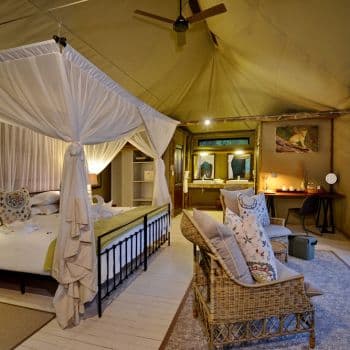
Chalet (s), Family/Honeymoon Suite
Children 8 and over
Family rooms available
By air
45 min from Kasane Airport (BBK)
Wi-Fi in public areas
From about A$830
per person / night, sharing
Overview
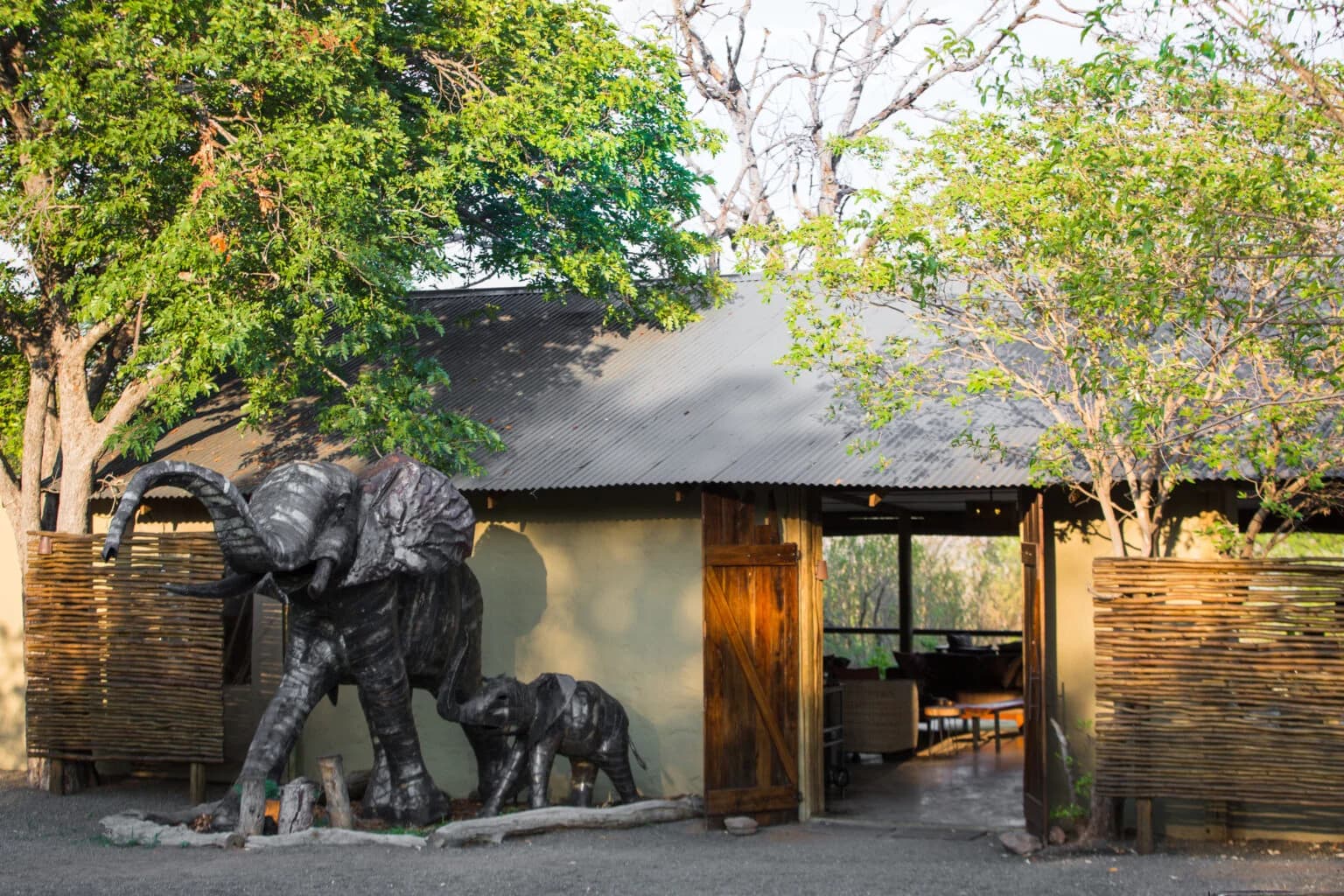
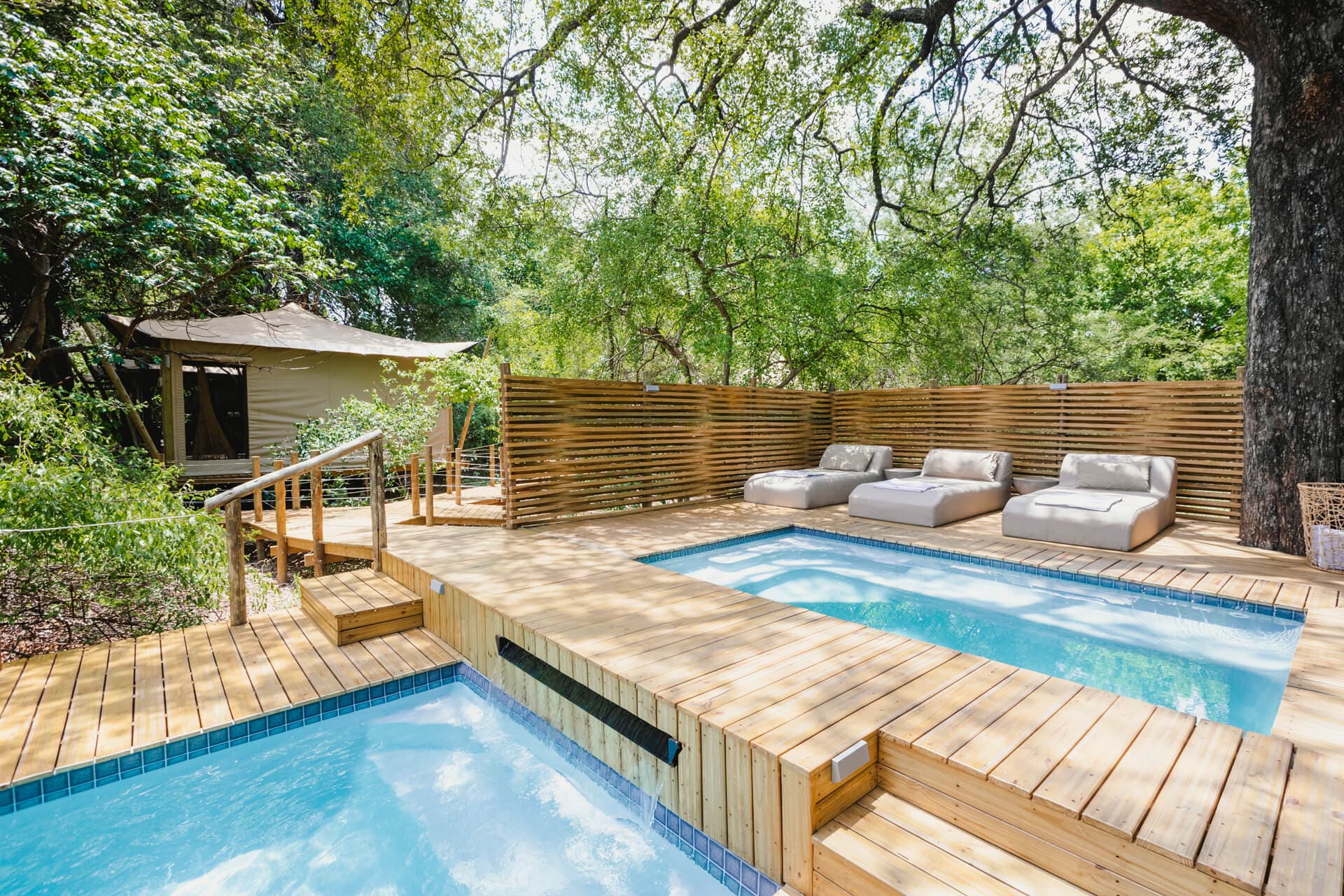
Muchenje looks across the Chobe floodplain from an escarpment in the forest reserve, on the western side of Chobe National Park. Thatched cottages have private decks, while the main lodge brings together a lounge, bar, dining area and swimming pool with river views. Days combine game drives and river cruises, with night drives in the forest reserve and guided walks when the weather allows. The family suite has a mezzanine sleeping area for two children. Meals, drinks, park fees, laundry and Kasane Airport transfers are included, leaving the focus on the bush rather than daily arrangements.
“A good fit for travellers who want Chobe by both road and river, then time to watch the floodplain from a private deck. The western setting and varied activities suit birders and photographers.”
Muchenje supports Mabele Primary School and Kachikau Special Unit School, and supplied and maintains a school bus for Mabele pupils.
Known for
Western Chobe brings large elephant and buffalo herds, with zebra gathering on the floodplain from May to November and migrant birds adding variety in summer.
Your stay
Board: Full board (FB)
Special offer: Stay three nights and pay for two for travel from 1 December 2026 to 31 March 2027.
Personal expenses are excluded. Families with children aged 8 to 12 must pay for a private safari vehicle.
Road transfers other than Kasane Airport transfers cost extra. Victoria Falls day trips are offered at an additional charge during five- or six-day visits.
Facilities
Rooms
Activities
Guided walks explore the Chobe Forest Reserve when the weather allows. Guests must be at least 12, and participation is at the discretion of the guide and management.
Mokoro trips are offered on stays of four nights or more, water levels permitting. Guests must be at least 12, and participation is at the discretion of the guide and management.
Getting there
Good to know
Children aged eight and over are welcome. Younger children are accepted on request in low season. Children aged 8 to 12 pay half the adult rate; those aged 13 and over pay the full adult rate.
1 April 2027 to 31 March 2028
Families with children aged 8 to 12 must pay for a private safari vehicle. From 1 April 2027, the family vehicle costs US$250 per 24 hours in low and mid season, and US$500 per 24 hours in high season.
There is no single supplement from December 2026 to March 2027. The supplement is US$390 per night in November 2026, US$255 per night from April to June 2027, and US$320 per night from July to October 2027.
Vegetarian, vegan and gluten-free diets are catered for. Give dietary requirements in advance; kosher catering is not available.
When to go
Summer rain brings fresh growth, young plains game and migrant birds; wildlife spreads out beyond the river.
Localised afternoon thunderstorms sustain the green landscape, with migrant birds adding to the variety.
The rainy season supports new growth and birdlife, while game remains dispersed beyond the Chobe River.
The last rains ease, days are warm and nights comfortable as the bush begins to dry.
Drying vegetation opens up the landscape, and zebra begin gathering on the floodplain.
Mornings and evenings become colder, and upstream floodwaters usually raise the Chobe River.
Cold nights and early mornings give way to warm days; drying waterholes draw game towards the river.
Riverfront wildlife concentrations build during the dry season, with cold early mornings and comfortable days.
Temperatures rise sharply, and elephants and other game gather on the floodplain before the rains.
Hot, dry conditions concentrate wildlife along the Chobe River ahead of the first rains.
The first rains trigger new growth and the movement of zebra away from the floodplain towards their wet-season range.
Summer thunderstorms refresh the bush, young plains game appear and migrant birds return.
Helpful guides
Nearby
Details checked October 2026. Rates and availability are confirmed when you enquire.