Jan
GoodWildlife: Warm conditions and resident wildlife make January a good month for a Mara safari.
Warm conditions and resident wildlife make January a good month for a Mara safari.
Maasai Mara, Kenya · Community conservancy
Explore Africa level, based on the typical lowest nightly rate per person sharing: Value under A$400, Mid-range A$400 to A$899, Luxury A$900 to A$1,799, Ultra-luxury A$1,800 or more.
Photo: Saruni Basecamp · Source ↗
All inclusive (AI)
All meals, Soft drinks and 14 more
11 tents
Guest Tent, Family Tent 1, Family Tent – Detached
All ages welcome
Family rooms available
By air
20 min from Naboisho Olseki Airstrip
Wi-Fi in rooms
Solar power
From about A$860
per person / night, sharing
Overview
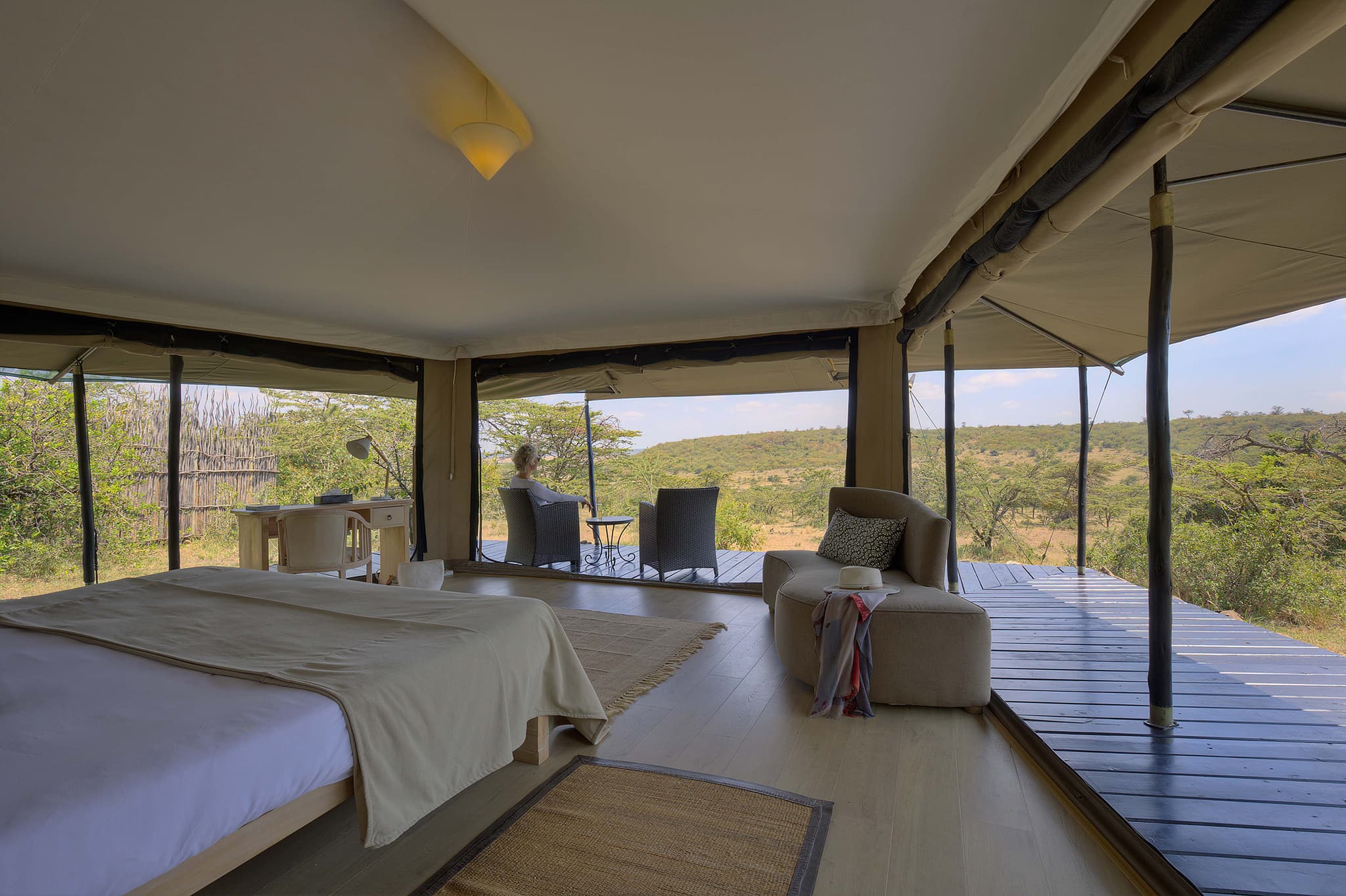
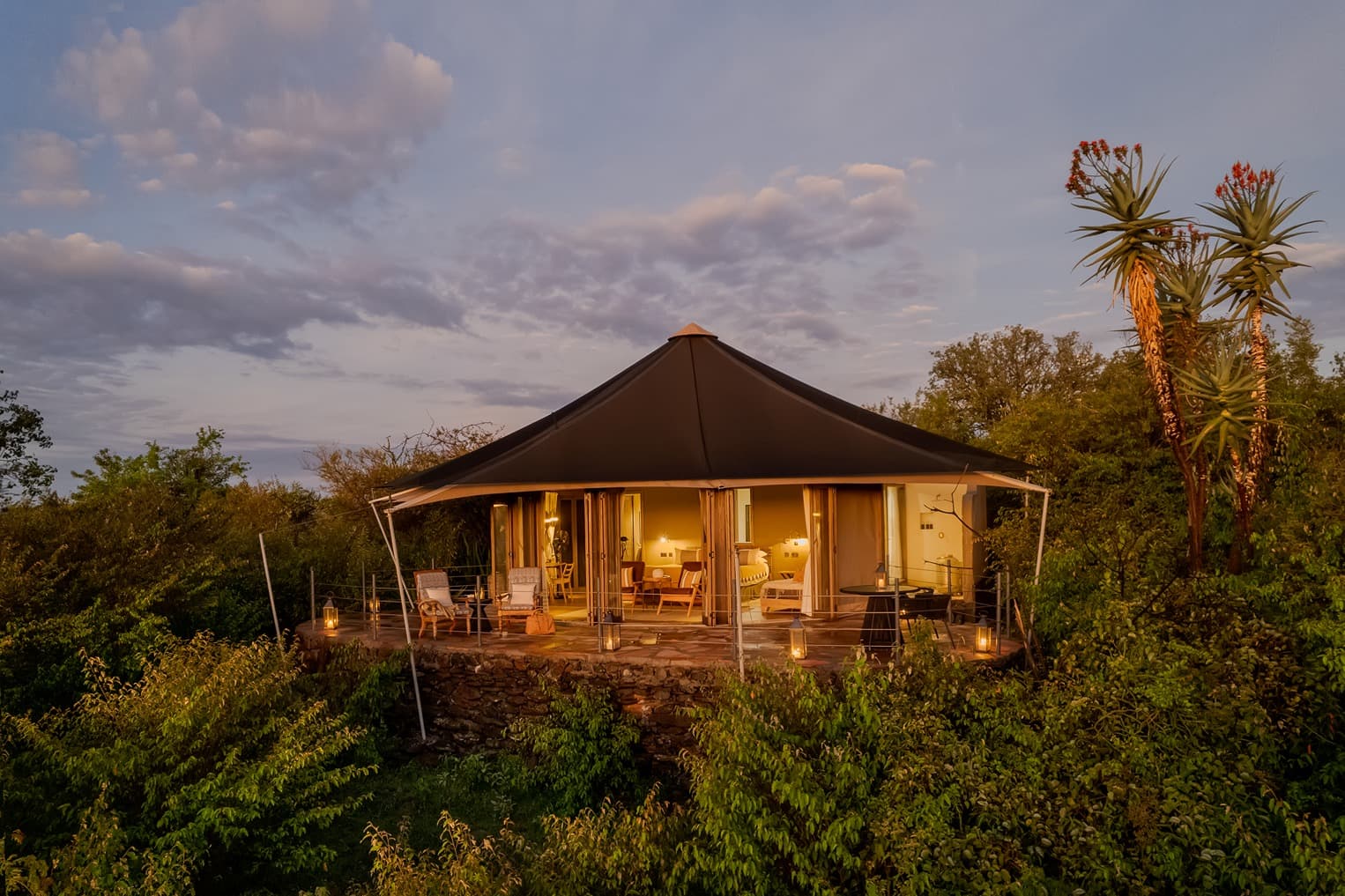
Saruni Eagle View sits above the Koiyaki plains in Kenya’s community-owned Mara Naboisho Conservancy. Raised tents have private viewing decks, while the family options connect separate en-suite tents with private terraces. A waterhole and salt lick below camp attract giraffes, hippos and elephants, giving time in the lounge a wildlife-watching purpose of its own. Shared day and night drives, sundowners and guided walking safaris form part of the stay. Between outings, guests can use the communal plunge pool or visit the Maasai Wellness Spa. Daily conservation fees support the conservancy and its Maasai landowners.
“A good fit for travellers who want wildlife watching to continue between drives, with waterhole views, a communal plunge pool and family tents linked by private terraces.”
Known for
An elevated outlook over a waterhole and salt lick frequented by giraffes, hippos and elephants, with predator sightings in Naboisho Conservancy.
Your stay
Board: All inclusive (AI)
Special offer: Stay six nights and pay for five on the Taste of Samburu and Naboisho safari: three nights at Basecamp Samburu and three at Saruni Eagle View. The remaining 2026 offer periods are November and 1-19 December, for at least two guests.
Naboisho conservation fees are USD 130 per adult per night and USD 65 per child aged 5-16. Travel and medical insurance, including emergency evacuation cover, are required; temporary Flying Doctors cover is charged separately.
Premium spirits, wines, Champagne and beers cost extra. Optional extras include National Reserve excursions, additional treatments, Maasai village visits, a private vehicle and guide, and late departure with an extra lunch. Gratuities are discretionary.
Facilities
Rooms
Activities
Getting there
Good to know
When to go
Wildlife: Warm conditions and resident wildlife make January a good month for a Mara safari.
Warm conditions and resident wildlife make January a good month for a Mara safari.
Wildlife: Warm weather continues, with resident wildlife throughout the Mara ecosystem.
Warm weather continues, with resident wildlife throughout the Mara ecosystem.
Wildlife: Early March brings warm weather; rainfall increases as the rainy season approaches.
Early March brings warm weather; rainfall increases as the rainy season approaches.
Wildlife: The long rains usually begin in mid-April, bringing greener landscapes.
The long rains usually begin in mid-April, bringing greener landscapes.
Wildlife: Long rains bring green landscapes, abundant wildlife and more plains game.
Long rains bring green landscapes, abundant wildlife and more plains game.
Wildlife: The dry season begins, drawing animals to waterholes and river banks.
The dry season begins, drawing animals to waterholes and river banks.
Wildlife: The Great Migration reaches the Mara ecosystem; timing varies from year to year.
The Great Migration reaches the Mara ecosystem; timing varies from year to year.
Wildlife: Migration herds add to the Mara ecosystem’s resident wildlife during the dry season.
Migration herds add to the Mara ecosystem’s resident wildlife during the dry season.
Wildlife: Migration viewing continues in the Mara ecosystem, with fewer visitors than earlier in the season.
Migration viewing continues in the Mara ecosystem, with fewer visitors than earlier in the season.
Wildlife: Migration herds remain into October in some years; this is also a good period for resident wildlife.
Migration herds remain into October in some years; this is also a good period for resident wildlife.
Wildlife: The short rains generally arrive around mid-November, greening the landscape.
The short rains generally arrive around mid-November, greening the landscape.
Wildlife: Green scenery provides habitat for migratory birds and newborn animals.
Green scenery provides habitat for migratory birds and newborn animals.
Helpful guides
Crossing the Border Between Tanzania and Kenya on a Migration Safari: The Complete Logistics Guide
There is no direct crossing between the Serengeti and the Maasai Mara. This guide explains exactly how the border works, which crossing to use, what documents you need as an Australian traveller, and whether it is worth driving at all.
Kenya: the Mara, the Migration & the cradle of safari
Everything Australian travellers need for Kenya — the eTA, money and M-Pesa, malaria and yellow-fever rules, the Great Migration's timing in the Masai Mara, when to go, and how to get around. The practical groundwork, so you can focus on the safari.
Nearby
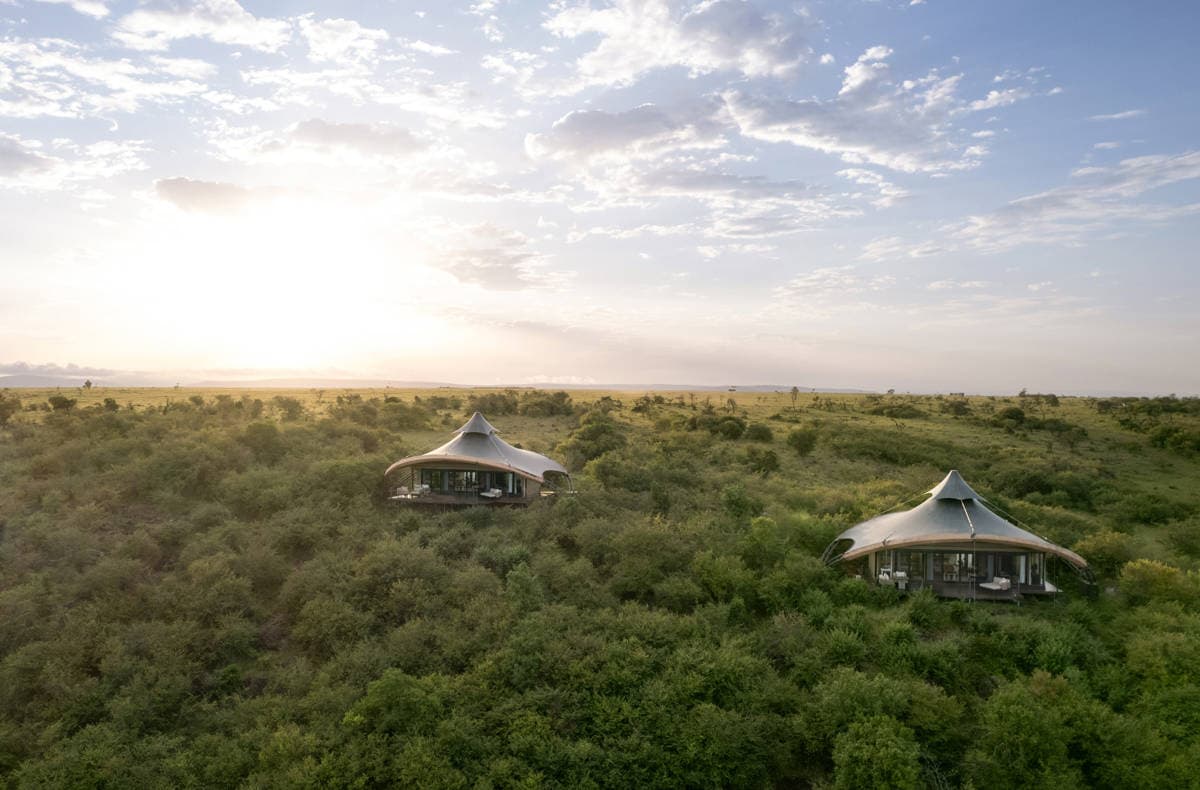
Maasai Mara, Kenya
4 km away
From about A$1,090 per person / night, sharing
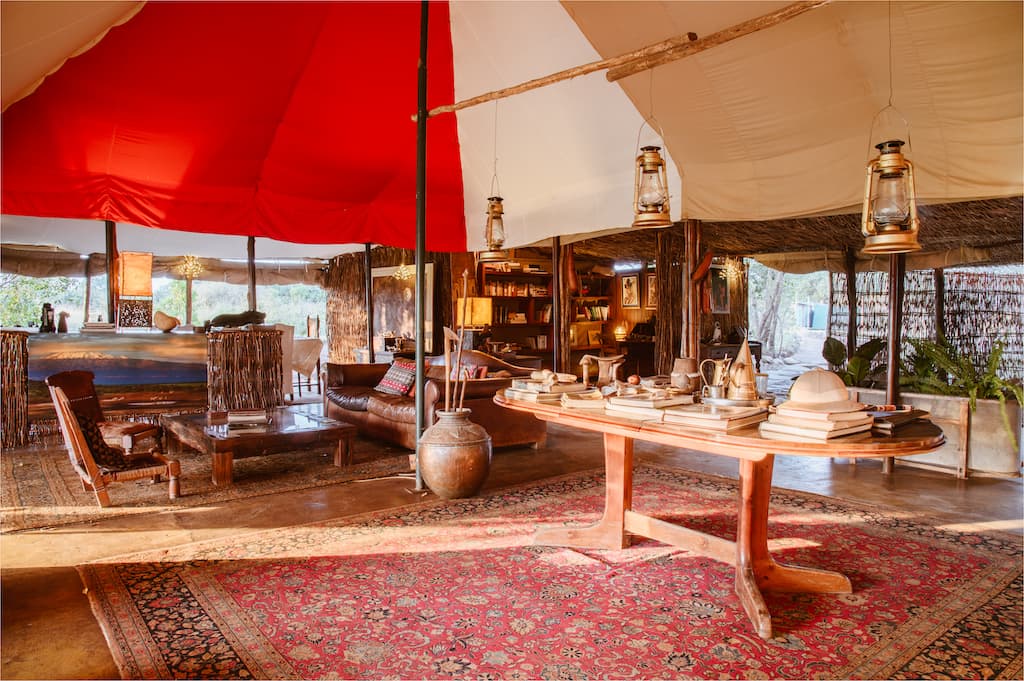
Maasai Mara, Kenya
5 km away
From about A$1,160 per person / night, sharing
Maasai Mara, Kenya
20 km away
From about A$4,740 per room / night
Masai Mara, Kenya
25 km away
Details checked November 2026. Rates and availability are confirmed when you enquire.